

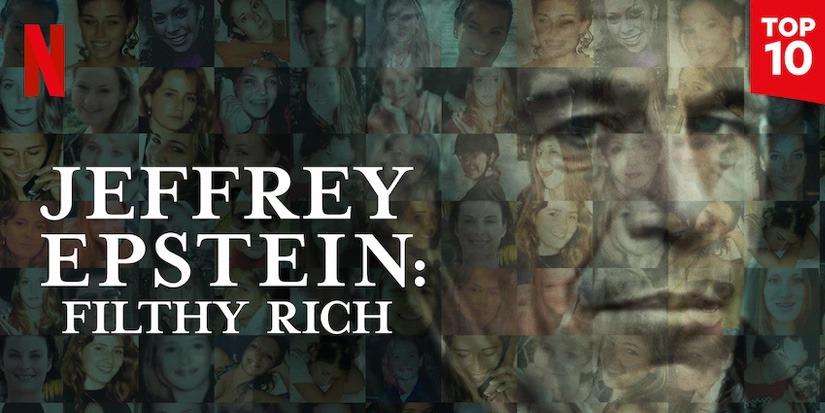
Mauritius has unexpectedly entered online conversations surrounding the newly circulating Epstein Files – and at the same time, Jeffrey Epstein: Filthy Rich has surged back into Netflix’s Global Top 10 in 2026.
With no sequel confirmed and no promotion behind it, the documentary’s reappearance feels unsettlingly timely – fuelled by latest revelations, the millions of documents released by the US Department of Justice and the internet’s growing obsession with re-examining the case.
New Epstein Files Drive Netflix Viewers Back
Over the past weeks, newly surfaced material connected to the Epstein case has reignited public scrutiny. As journalists and analysts sift through the millions of documents, many viewers have turned back to the docuseries – not out of curiosity alone, but to recontextualize what they thought they already understood.
Online conversations have expanded globally, and on social platforms, Mauritian users have begun sharing excerpts and debating references that appear in circulating files.
At this stage, much of the discussion remains speculative and based on partial information shared online. However, the presence of Mauritius in broader digital chatter has been enough to generate curiosity and commentary locally.
Why the Epstein Netflix Documentary Still Resonates
Unlike many true-crime productions that lean heavily into mystery or spectacle, Filthy Rich chose a different path. It foregrounded survivors. It slowed down the myth of the billionaire “fixer” archetype and focused instead on systems – influence, silence, access.
That decision is precisely why the series still resonates.

With fresh revelations circulating, viewers aren’t just watching for plot. They’re watching for patterns. For missed signs. For overlooked details. The series becomes less about one man and more about the machinery that enabled him.
And that shift – from individual villain to structural critique – gives the documentary a second life.
Is Netflix Releasing a New Epstein Documentary in 2026?
Adding to the frenzy, social media has amplified speculation about a supposed new Epstein documentary arriving in 2026. Posters and announcements have circulated online, many clearly fabricated using generative AI tools.

As of now, there is no confirmed new project. But the viral spread of these fake announcements reflects another layer of the modern media ecosystem: when a story resurfaces, the algorithm rushes to fill the space – with fact, fiction, and everything in between.
Ironically, that digital chaos mirrors the confusion surrounding the case itself.
Why the Epstein Series Feels Different in 2026
When the series first premiered, audiences were still processing shock. Today, the reaction is more introspective.
Younger viewers are encountering the case for the first time, treating the documentary as an entry point into a sprawling network of influence. Older viewers are revisiting it with hindsight – asking different questions, noticing different emphases.

The viewing experience shifts from “What happened?” to “How was this allowed to happen?”
And that’s a far more uncomfortable question.
The Lasting Impact of Jeffrey Epstein: Filthy Rich
The re-emergence of Jeffrey Epstein: Filthy Rich isn’t just a chart anomaly. It’s a reminder that documentaries don’t live in a vacuum. They evolve alongside public understanding.

Six years later, the series hasn’t changed. But the lens through which we watch it has.
And in cinema – especially documentary cinema – perspective is everything.